Commercial Cleaning for Modern Businesses: Cleaner Spaces, Better Impressions, and Healthier Workplaces
Commercial cleaning plays a much bigger role in business success than many people realize. Whether you manage an office, retail store, warehouse, medical suite, or multi-tenant facility, a clean environment affects how customers perceive your brand, how employees feel at work, and how smoothly daily operations run. In today’s competitive market, commercial cleaning is not just about appearance; it is about hygiene, safety, productivity, and long-term asset care.
Businesses of all sizes are placing greater focus on professional cleaning services because expectations have changed. Clients notice clean floors, polished glass, sanitized surfaces, and fresh-smelling common areas. Employees also expect a healthier environment that supports focus and reduces distractions. With the right commercial cleaning approach, a business can maintain a professional image while protecting the people and spaces that matter most.
Another reason commercial cleaning has become essential is the increased awareness around germs, allergens, dust, and contamination. High-traffic spaces can quickly collect dirt and bacteria, especially when dozens or hundreds of people enter each day. A reliable commercial cleaning program helps address those concerns with consistent routines, specialized equipment, and trained professionals who know how to clean efficiently and thoroughly.
What Commercial Cleaning Really Means
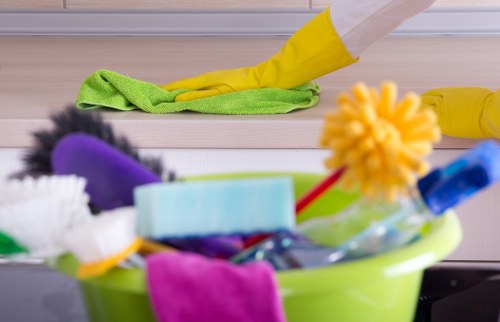
Commercial cleaning refers to professional cleaning services designed specifically for business environments rather than homes. While residential cleaning often focuses on personal living spaces, commercial cleaning is built around larger spaces, heavier use, and specialized requirements. It can include routine janitorial work, deep cleaning, floor maintenance, restroom sanitation, window cleaning, and disinfection services.
Different industries need different cleaning standards. A corporate office may require daily desk sanitization, trash removal, and restroom care, while a medical clinic may demand strict infection-control procedures and regulated cleaning products. Retail businesses may need frequent floor care and glass cleaning to keep displays attractive, while warehouses might prioritize dust control, debris removal, and safety compliance. That variety is one reason commercial cleaning is such an important service category.
Another defining feature of commercial cleaning is consistency. Businesses often need cleaning completed before opening, after closing, or during specific low-traffic hours. Professional teams work on schedules that match operational needs, ensuring clean work environments without disrupting customers or staff. This level of planning is one of the major advantages of hiring trained cleaners instead of relying only on in-house efforts.
Why Commercial Cleaning Matters for Every Business
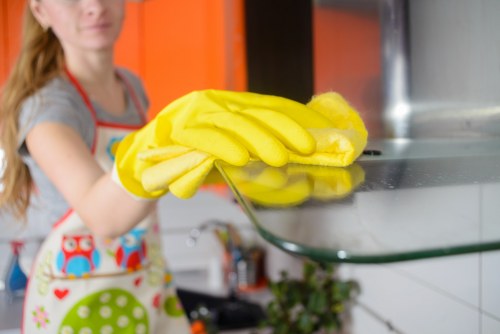
A well-maintained workplace creates a strong first impression. Visitors often judge the professionalism of a company within seconds, and a spotless entryway or polished lobby communicates care, organization, and credibility. In contrast, dirty carpets, overflowing bins, or smudged surfaces can make a business seem careless even if the service itself is excellent. Commercial cleaning helps protect your brand image from the moment someone walks through the door.
Health and hygiene are equally important. Shared spaces such as break rooms, meeting tables, reception counters, and restroom facilities can become hotspots for germs if they are not cleaned regularly. Professional commercial cleaning reduces contamination risk by targeting frequently touched surfaces and maintaining sanitation standards. This can lead to fewer sick days, better staff morale, and a workplace that feels safer for everyone.
Commercial cleaning also supports productivity. Employees are more likely to stay focused in a tidy, well-organized environment than in one filled with dust, clutter, or unpleasant odors. Clean spaces reduce distractions and create a sense of order. As a result, businesses often find that investing in commercial cleaning pays off through improved efficiency and better workplace culture.
Types of Commercial Cleaning Services
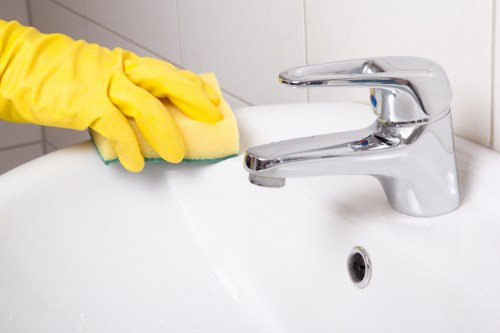
Commercial cleaning can be tailored to many different business types and facility sizes. The exact services depend on industry, traffic levels, and the specific condition of the space. Understanding the available options makes it easier to build a cleaning plan that fits your needs.
Routine janitorial cleaning
This is the foundation of most commercial cleaning programs. Routine janitorial cleaning includes tasks such as sweeping, mopping, vacuuming, emptying trash, sanitizing restrooms, wiping down surfaces, and restocking supplies. It is typically performed daily or several times a week, depending on the business.
Deep cleaning
Deep cleaning goes beyond the regular schedule. It may involve detailed scrubbing, removal of buildup in hard-to-reach areas, carpet extraction, baseboard cleaning, and intensive disinfecting. Businesses often schedule deep cleaning monthly, quarterly, or seasonally.
Floor care
Floors take a beating in commercial spaces. Professional floor care may include stripping, waxing, burnishing, tile and grout cleaning, carpet shampooing, and hard-surface maintenance. These services help extend the life of flooring and improve safety by reducing slips and dull surfaces.
Window and glass cleaning
Clean windows create a brighter, more inviting atmosphere. Fingerprints, dust, and weather buildup can quickly make glass look neglected. Commercial cleaning teams use appropriate tools and methods to keep windows, glass partitions, and entry doors looking clear and professional.
Disinfection and sanitation services
In high-touch environments, targeted disinfection is often essential. This service focuses on surfaces such as door handles, light switches, counters, shared equipment, and restrooms. Many businesses incorporate sanitation protocols into their commercial cleaning plan for added reassurance.
Industries That Benefit from Commercial Cleaning
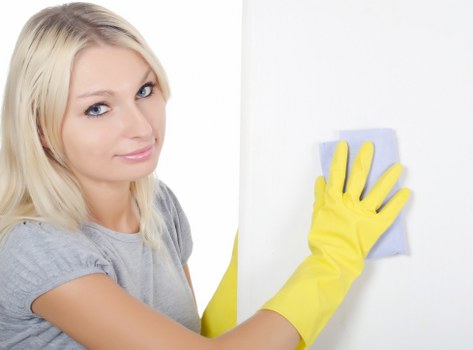
Almost every business can benefit from commercial cleaning, but some industries depend on it more heavily than others. Each environment has unique expectations, traffic patterns, and hygiene requirements that influence the cleaning plan.
- Offices: Workstations, conference rooms, lobbies, kitchens, and restrooms all need regular attention to maintain professionalism and comfort.
- Retail stores: Sales floors, fitting rooms, counters, and windows must stay clean to support the customer experience and product presentation.
- Medical and dental facilities: These settings require strict sanitation practices, specialized products, and careful attention to infection control.
- Schools and educational buildings: Classrooms, cafeterias, gym areas, and restrooms need frequent cleaning due to constant daily traffic.
- Industrial and warehouse spaces: Dust control, safety-focused cleaning, and debris removal help reduce hazards and support operations.
- Hospitality venues: Hotels, event spaces, and restaurants rely on consistent cleanliness to maintain guest satisfaction and compliance.
Each of these sectors uses commercial cleaning for different reasons, but the end goal is similar: maintain a healthy, attractive, and functional environment. When a business chooses a service provider with experience in its industry, the cleaning outcomes are usually better and more efficient.
Specialized commercial cleaning can also support businesses that operate in sensitive or highly regulated spaces. In those cases, the provider should understand procedures, safety standards, and cleaning products that are appropriate for the environment. That level of expertise can make a meaningful difference in both results and compliance.
How to Choose the Right Commercial Cleaning Service
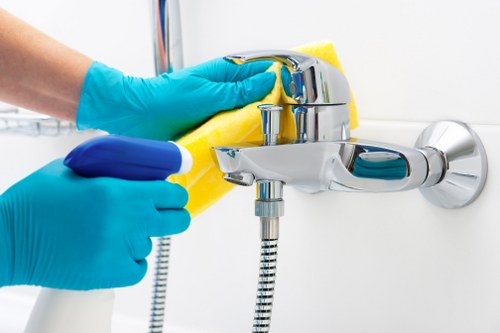
Choosing the right provider matters because not every cleaning company is equipped for commercial spaces. A strong commercial cleaning partner should understand your schedule, your facility type, and your expectations. The right choice can save time, reduce stress, and improve the overall condition of your building.
Start by evaluating experience. A company with a strong background in commercial cleaning is more likely to understand how to handle larger spaces, specialized flooring, high-traffic areas, and industry-specific needs. Experience also matters when it comes to safety procedures, equipment use, and quality control.
It is also important to look at consistency and communication. Reliable cleaners should show up on time, follow agreed-upon tasks, and adapt when your needs change. Clear communication ensures that cleaning priorities are understood and completed properly. Businesses often benefit from a cleaning partner that can provide customized schedules and responsive service.
Important factors to compare
- Range of services: Make sure the provider offers the exact services your facility needs.
- Training and supervision: Well-trained staff are more likely to deliver consistent results.
- Insurance and compliance: Proper coverage and safety practices protect your business.
- Cleaning products and equipment: Advanced tools and safe products improve both efficiency and outcomes.
- Flexibility: Your provider should work around your operating hours and business demands.
When comparing options, do not focus only on price. A low-cost service that misses details or causes disruptions can end up costing more over time. Instead, look for value, reliability, and long-term fit. The best commercial cleaning service is the one that supports your business without creating extra work for your team.
Benefits of Professional Commercial Cleaning
There are many practical and financial benefits to using professional commercial cleaning services. One of the most obvious is time savings. Instead of asking employees to handle cleaning tasks that are outside their normal responsibilities, businesses can rely on trained professionals. That allows staff to focus on revenue-generating work and core operations.
Another major benefit is improved consistency. In-house cleaning can vary depending on staffing, schedules, and workload. Commercial cleaning services follow structured procedures and checklists to ensure the space is maintained at a predictable standard. That consistency matters in businesses where cleanliness affects customer trust and operational safety.
Professional commercial cleaning can also help protect assets. Dirt, dust, and grime can wear down carpets, floors, furniture, and equipment over time. Regular cleaning extends the life of these items and can reduce the need for repairs or replacements. In this way, commercial cleaning is not just an expense; it is a maintenance strategy.
Additional advantages worth noting
Better indoor air quality is another meaningful advantage. Dust, allergens, and particles can accumulate quickly, especially in high-traffic spaces. Frequent vacuuming, dusting, and air-conscious cleaning practices help create a fresher and more comfortable environment.
Professional appearance is equally valuable. A spotless office or retail space can strengthen brand perception, improve visitor confidence, and support your company’s reputation. In many industries, cleanliness is a silent but powerful part of customer service.
Commercial Cleaning Schedules That Work
Every business has different cleaning needs, which is why scheduling matters. Some spaces need daily service, while others may only need cleaning a few times per week. A good commercial cleaning plan should be built around traffic levels, business hours, and the specific demands of the facility.
Daily cleaning is often best for offices, medical buildings, schools, restaurants, and busy retail locations. These businesses see steady foot traffic and need frequent sanitization and appearance maintenance. For lower-traffic spaces, a weekly or biweekly schedule may be enough, with periodic deep cleaning added as needed.
Some businesses prefer cleaning before employees arrive or after customers leave. Others need daytime service for restroom checks, trash removal, or quick touch-up cleaning. The ideal approach is the one that keeps the space presentable without disrupting work. Flexible commercial cleaning services make that possible.
Common scheduling models
- Daily maintenance: Best for high-use areas and customer-facing facilities.
- Weekly service: Suitable for smaller offices or low-traffic spaces.
- Monthly deep cleaning: Useful for detailed sanitation and restoration.
- Seasonal cleaning: Helpful for carpets, windows, and larger maintenance tasks.
By matching the schedule to the facility, businesses can keep cleaning costs efficient while still maintaining high standards. This is one of the smartest ways to get long-term value from commercial cleaning.
Commercial Cleaning and Workplace Health
Workplace health has become a top priority for many organizations, and commercial cleaning is central to that effort. Surfaces that are touched frequently can easily transfer germs, so regular disinfecting helps reduce risk. Restrooms, shared desks, conference tables, break rooms, and lobby counters deserve especially close attention.
Cleaning is also important for controlling allergens and irritants. Dust, mold, pollen, and debris can affect people with sensitivities, leading to discomfort and lower productivity. A well-designed commercial cleaning program helps manage those issues through systematic dusting, vacuuming, and moisture control.
Businesses should also consider how cleanliness affects mental well-being. A tidy environment can feel calmer, safer, and more organized, which can reduce stress among staff. That emotional benefit is often overlooked, but it can contribute to a healthier workplace culture overall.
Eco-Friendly Commercial Cleaning
More businesses are asking for eco-friendly commercial cleaning options, and for good reason. Sustainable cleaning practices can reduce exposure to harsh chemicals, support indoor air quality, and align with broader environmental goals. Many companies now choose products that are safer for people and better for the planet.
Eco-conscious commercial cleaning may include biodegradable cleaning agents, microfiber tools, reduced water usage, and energy-efficient equipment. It can also involve better waste management and targeted cleaning methods that minimize unnecessary product use. These choices often appeal to customers and employees alike.
Green cleaning does not mean compromising on quality. When done properly, it can deliver excellent results while supporting a healthier work environment. For organizations looking to improve their sustainability efforts, commercial cleaning is a natural place to start.
How Commercial Cleaning Supports Business Growth
A clean environment can influence business growth in subtle but powerful ways. Customers are more likely to trust a company that looks organized and well maintained. Staff are more likely to stay productive in a space that feels comfortable and cared for. Over time, those advantages contribute to stronger operations and better performance.
Commercial cleaning can also reduce downtime. When floors are maintained, surfaces are sanitized, and clutter is controlled, fewer issues interrupt the workflow. Equipment lasts longer, spills are handled quickly, and spaces remain ready for use. That operational stability can be valuable for any business trying to scale efficiently.
In competitive markets, small details matter. Professional cleaning may not be the most visible part of your business strategy, but it can strongly support your reputation and customer experience. That is why many successful companies treat commercial cleaning as an ongoing investment rather than a one-time task.
Best Practices for Maintaining a Clean Commercial Space
Even with professional service, businesses can support cleanliness by adopting simple habits between visits. These practices help preserve results and keep the environment looking sharp.
- Encourage staff to keep desks, common areas, and break rooms organized.
- Place trash and recycling bins in accessible areas.
- Wipe up spills quickly to prevent stains and safety hazards.
- Use entry mats to reduce dirt tracked inside.
- Schedule periodic deep cleaning for carpets, floors, and high-touch surfaces.
These small steps work hand in hand with professional commercial cleaning. The more consistently a business supports cleanliness, the better the overall results tend to be. A clean space is easier to maintain than one that falls behind.
Final Thoughts on Commercial Cleaning
Commercial cleaning is one of the most practical investments a business can make. It supports health, improves appearance, protects assets, and creates a stronger experience for customers and employees. From routine janitorial work to specialized sanitation and floor care, commercial cleaning helps keep workplaces running smoothly and looking their best.
Whether you operate a small office or a large facility, the right commercial cleaning plan can make a noticeable difference. It can help you present a polished image, maintain a safer environment, and reduce the burden on your internal team. Most importantly, it shows that you value the people who use your space every day.
If your business is ready for a cleaner, healthier, and more professional environment, contact us today to explore your options or book your service now. A dependable commercial cleaning routine can be one of the simplest ways to elevate your workplace and protect your business for the long term.