End of Tenancy Cleaning: A Practical, SEO-Friendly Article for Renters, Landlords, and Letting Agents
What End of Tenancy Cleaning Really Means

End of tenancy cleaning is the deep and detailed cleaning carried out when a tenant is moving out of a rented property. It is designed to return the home to a condition that is as close as possible to the state it was in at the start of the tenancy, allowing for fair wear and tear. For tenants, this can be the difference between getting the full deposit back or facing deductions. For landlords and letting agents, it helps prepare the property for the next occupant quickly and professionally.
Unlike regular weekly tidying or even standard domestic cleaning, end of tenancy cleaning focuses on the hidden, the neglected, and the hard-to-reach areas. Inside cupboards, behind appliances, around skirting boards, along window tracks, and beneath furniture all matter. The aim is to leave no sign of lived-in dirt, grease, limescale, or dust. When done properly, end of tenancy cleaning supports smoother inspections, better tenant turnover, and a more positive rental experience overall.
In many cases, people search for end of tenancy cleaning only when a move-out date is close. However, the best results usually come from planning ahead. A well-timed clean reduces stress, keeps the moving process organised, and allows tenants to focus on packing and logistics. It also helps landlords and property managers maintain a professional standard that reflects well on the property.
Why End of Tenancy Cleaning Matters for Deposits and Property Standards

Security deposits are often a major concern at the end of a tenancy. Most tenancy agreements require the property to be returned in a clean and presentable condition. If the cleaning is incomplete, landlords may request a professional end of tenancy cleaning service or deduct from the deposit to cover the cost. Understanding this expectation is crucial for tenants who want to avoid unnecessary disputes.
For landlords, the importance of move out cleaning extends beyond deposit protection. A spotless property can be re-marketed faster, photographed more attractively, and shown to prospective tenants with confidence. Clean homes also create a stronger first impression, which can influence how quickly a property is let. In competitive rental markets, presentation matters.
There is also a legal and practical side to consider. While tenancy laws vary by location, many agreements specify that tenants must return the property in a similar level of cleanliness to when they moved in. That means not only removing rubbish, but also dealing with grime in kitchens and bathrooms, sanitising touchpoints, and cleaning appliances thoroughly. In short, end of tenancy cleaning is about meeting expectations in a measurable way.
Areas Covered in a Proper End of Tenancy Clean
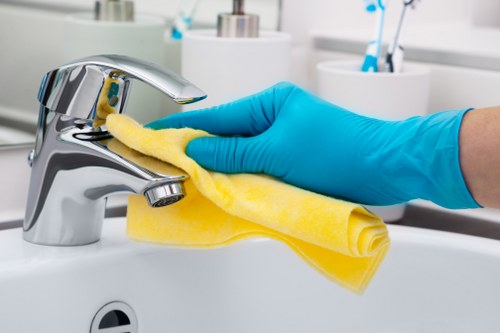
A proper end of tenancy cleaning service covers far more than vacuuming and wiping surfaces. Every room should be cleaned methodically, with attention to detail. Kitchens often require the most work because grease, food residue, and splashes build up over time. Bathrooms also need deep sanitising due to soap scum, limescale, and moisture-related build-up.
Below is a list of common areas included in professional tenancy cleaning:
- Kitchen cupboards, shelves, and worktops
- Oven, hob, extractor fan, and splashback
- Fridge, freezer, microwave, and other appliances
- Bath, shower, sink, toilet, tiles, and fittings
- Skirting boards, doors, handles, and light switches
- Windows, ledges, tracks, and frames
- Carpets, rugs, and hard flooring
- Built-in wardrobes, drawers, and storage spaces
- Dusting of vents, radiators, and hard-to-reach corners
When renters or landlords want a property to look move-in ready, these details make a noticeable difference. A thorough clean is not only about visible shine; it is also about eliminating odours, bacteria, and the hidden buildup that can trigger complaints during inventory checks.
Kitchen Cleaning: The Most Demanding Part of Move Out Cleaning
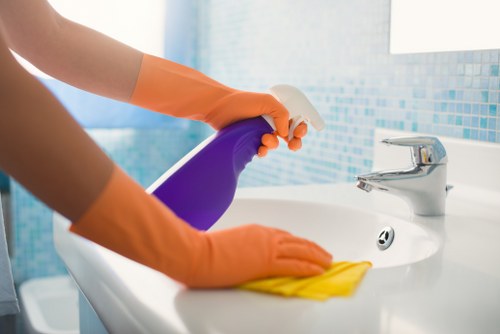
The kitchen is often the toughest part of end of tenancy cleaning because it accumulates grease, splashes, food stains, and odours. Cupboards may need emptying and wiping inside and out. Countertops should be sanitised, tiles degreased, and sinks descaled. Special attention should be given to the oven, which is frequently inspected because it reveals how carefully the property has been maintained.
For many people, oven cleaning alone can take a significant amount of time. Burnt-on residue, carbon deposits, and stubborn grease require strong products and patience. The same is true for extractor fans, filters, and hobs, where residue often hides in corners and seams. A neglected kitchen can quickly lead to deposit deductions, even if the rest of the property is reasonably clean.
It is also important to clean behind and beneath appliances where accessible. Fridges, freezers, washing machines, and dishwashers can all leave behind dust and food particles. Move out cleaning should include wiping appliance exteriors, removing fingerprints from handles, and checking seals for dirt and mould. These small details help create an overall impression of care and thoroughness.
Bathroom Cleaning: Hygiene, Shine, and Limescale Removal
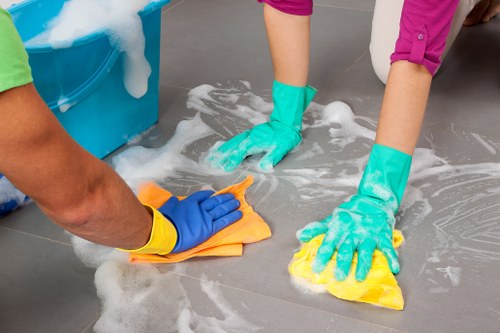
Bathrooms demand a specialist approach during end of tenancy cleaning. Because of constant moisture, these spaces can develop limescale, mildew, soap scum, and stubborn stains. Sinks, baths, showers, taps, tiles, toilets, and mirrors all need detailed attention. A clean bathroom should not only look bright, but also feel hygienic and fresh.
One of the most common issues in bathrooms is limescale around taps, shower screens, and sink fittings. If left untreated, it creates a dull, chalky appearance that gives the impression of poor maintenance. Professional rental property cleaning usually includes descaling agents and precise scrubbing to remove these marks. Shower heads and drains also require careful cleaning because they can collect residue and affect water flow.
Ventilation is another important consideration. If the bathroom has mould spots on sealant or around corners, they should be addressed before check-out. Mirrors should be polished, tiles should be scrubbed, and floors should be mopped thoroughly. A well-cleaned bathroom reassures landlords that the property has been kept in a hygienic condition and helps reduce the likelihood of a post-tenancy dispute.
Living Areas, Bedrooms, and Hallways: The Details That Count
Why General Rooms Still Need Deep Attention
Living rooms, bedrooms, hallways, and staircases may seem easier than kitchens and bathrooms, but they still require careful end of tenancy cleaning. Dust often collects on skirting boards, window ledges, behind radiators, and inside wardrobes. Even if a room looks clean at first glance, neglected details can stand out during an inventory inspection. This is why a systematic approach matters.
Bedrooms should be dusted from top to bottom, including wardrobes, drawers, shelves, and any built-in storage. Floors should be vacuumed or mopped, depending on the surface. Marks on walls, fingerprints around switches, and dust on light fixtures should also be removed where possible. Hallways and staircases need special attention because they are heavily used and can collect scuffs, dirt, and general wear.
In living spaces, windows and upholstery may need extra care if furniture has been moved or the room has been used frequently. Curtains, blinds, and soft furnishings can trap dust and odours, so they should be checked and cleaned according to the tenancy agreement. A room-by-room approach ensures no corner is missed and helps create the polished finish expected from professional end of tenancy cleaning.
Carpets, Floors, and Stain Removal in Tenancy Cleaning
Hard Floors and Soft Flooring Need Different Methods
Floor care is one of the most important parts of end of tenancy cleaning. Carpets may require vacuuming, stain treatment, and sometimes steam cleaning, especially if the tenancy agreement calls for a professional result. Hard floors, such as laminate, vinyl, tile, or wood, should be swept, vacuumed, and mopped with suitable products that do not damage the surface.
Stains are a common problem at the end of a tenancy. Spilled drinks, muddy shoes, pet marks, and food accidents can all leave visible traces. If stains are not tackled early, they can become harder to remove and may be blamed on the outgoing tenant. This is why many people choose move out cleaning services that include specialist stain treatment and floor restoration techniques.
It is also smart to check corners, under furniture, and around door thresholds where dirt often builds up unnoticed. A floor may look acceptable from a distance, but small pockets of dust, hair, or debris can still affect an inventory report. Clean flooring supports the overall impression of a property that has been properly cared for during the tenancy.
Windows, Glass, and Reflective Surfaces
Clear Glass Makes a Strong First Impression
Clean windows instantly improve the appearance of a property, both inside and out. Smudges, fingerprints, water marks, and dust on glass can make even a well-cleaned room look unfinished. During end of tenancy cleaning, window panes, frames, ledges, and tracks should be checked carefully. Interior glass doors, mirrors, and shower screens also benefit from a streak-free finish.
Window cleaning can be tricky if the property has large panes, high windows, or difficult access points. That is why many tenants and landlords prefer to include this task as part of a broader rental property cleaning plan. Clean windows allow more light into the home and help show the property at its best. They also reduce the chance of minor cleanliness issues being magnified by bright sunlight.
Reflective surfaces should not be overlooked. Mirrors, polished appliances, and glass tables can collect marks quickly. A good clean leaves these surfaces bright and clear, adding to the sense of freshness throughout the home. In a competitive rental market, that polished look can support a faster re-let and a more professional presentation.
When to Hire Professional End of Tenancy Cleaning Services
Saving Time, Stress, and Potential Deposit Deductions
Many tenants start with the intention of handling end of tenancy cleaning themselves. While this can work for some properties, it is not always realistic when the move-out schedule is tight or the property is in need of serious attention. Hiring professionals can save time and reduce pressure during an already busy period. It also improves the chances of meeting the cleaning standards expected by landlords and letting agents.
Professional cleaners bring experience, suitable tools, and specialist products. They know where hidden dirt typically builds up and how to treat different materials safely. For example, they can handle delicate surfaces, remove stubborn kitchen grime, and address bathroom limescale more efficiently than a standard household routine. This expertise often makes a real difference in the final result.
There are also practical benefits for landlords and property managers. Instead of coordinating a patchy or rushed clean, they can book a professional end of tenancy cleaning team to prepare the property quickly for viewings, inventory inspections, or incoming tenants. If timing matters, outsourcing the work can be the easiest route to a smooth turnover.
How to Prepare for a Successful Move Out Cleaning Process
Simple Steps That Make the Job Easier
Preparation can make end of tenancy cleaning much easier and more effective. Before cleaning begins, remove all personal belongings, waste, and reusable items from the property. Empty cupboards, drawers, wardrobes, and storage areas so every surface can be accessed. Once the home is clear, the cleaning process becomes faster and more thorough.
It is also helpful to check the tenancy agreement and inventory report before starting. These documents often outline the expected cleaning condition and can highlight any special responsibilities such as carpet cleaning, appliance cleaning, or garden tidying. If you understand these expectations early, you can avoid missing any key tasks and reduce the risk of deductions later on.
A good preparation checklist may include:
- Booking the clean close to the move-out date
- Removing all rubbish and unwanted items
- Defrosting the freezer in advance if needed
- Disconnecting appliances only when safe to do so
- Leaving access to all rooms, cupboards, and storage areas
- Notifying the landlord or agent if any damage requires attention
Following these steps creates a better foundation for a successful move out cleaning outcome and can make the property easier to inspect once the work is complete.
What Makes End of Tenancy Cleaning Different from Regular Cleaning?
Depth, Detail, and Final Inspection Readiness
Regular cleaning helps maintain a home on a day-to-day basis, but end of tenancy cleaning goes much further. It is not just about keeping things tidy; it is about resetting the property for the next person. That means paying attention to areas that are often ignored in weekly routines, such as behind furniture, inside appliances, and along edges where dust gathers.
Another difference is the level of scrutiny. A normal household clean might satisfy the person living in the property, but tenancy cleaning is often judged by an inventory clerk, landlord, or letting agent. These inspections can be detailed and objective. Smudges on a hob, dust on skirting boards, or residue in a shower tray may be enough to cause concern. For that reason, the cleaning standard needs to be higher than ordinary domestic upkeep.
End of tenancy cleaning services also usually involve a broader checklist and more specialised products. Degreasers, descalers, stain removers, and disinfectants are often used strategically to deal with the specific challenges of a rental property. That difference in approach is one reason this type of cleaning is valued by both tenants and property owners.
Common Mistakes People Make During Tenancy Cleaning
Avoiding Issues That Can Lead to Re-Cleans
Even with the best intentions, it is easy to overlook important parts of end of tenancy cleaning. One common mistake is focusing only on the visible surfaces and ignoring hidden areas. Under beds, behind radiators, inside cupboards, and around appliances are all frequent problem spots. If these areas are left dirty, the overall clean may be considered incomplete.
Another mistake is using the wrong products on delicate materials. Harsh chemicals may damage wood, stainless steel, or glass if they are not used carefully. Similarly, too much water on flooring can cause streaks or damage certain finishes. Good rental property cleaning requires the right balance of strength and caution.
Rushing is another frequent issue. When tenants leave cleaning until the final day, stress increases and standards often drop. A better approach is to clean room by room over a few days, leaving enough time for finishing touches. If a professional cleaner is hired, it is still smart to review the property afterward to make sure the required areas have been covered. Attention to detail is what turns a basic clean into a successful tenancy handover.
Benefits of a Well-Executed End of Tenancy Clean
For Tenants, Landlords, and Letting Agents
A thorough end of tenancy cleaning process benefits everyone involved in the rental cycle. Tenants gain a better chance of securing their deposit and leaving on good terms. Landlords get a property that is ready for the market without unnecessary delays. Letting agents can move more efficiently between tenancies and maintain a high standard of service.
There are also emotional benefits. Moving is stressful, and having one major responsibility handled properly can make the entire transition feel more manageable. A clean, organised exit also gives tenants peace of mind, knowing they have fulfilled their obligations with care. For landlords, a spotless property helps protect the asset and can reduce the time spent dealing with avoidable complaints.
In many ways, move out cleaning is a finishing touch that sets the tone for the next chapter. Whether the property is being handed back to a landlord, prepared for a new family, or readied for market photos, the final clean plays a key role in the rental process. It is a practical task, but it also carries a strong professional message: the property has been respected and maintained responsibly.
Why Choosing the Right End of Tenancy Cleaning Approach Matters
Getting the Best Result Without Unnecessary Stress
Not every property requires the same cleaning solution, but every tenancy ending benefits from a careful plan. Some tenants may only need a targeted deep clean after regular upkeep, while others may need a more intensive service for heavy-use areas. The right approach depends on the property size, condition, tenancy agreement, and the time available before inspection.
What matters most is consistency. A successful end of tenancy cleaning service should cover all agreed areas with the same level of care from start to finish. This includes bathrooms, kitchens, living rooms, bedrooms, hallways, storage spaces, and flooring. When the cleaning is carried out with a proper checklist, the result is easier to assess and more likely to meet expectations.
If you are preparing to move, it is wise to think beyond surface tidying and treat the final clean as a priority. Contact us today if you want a cleaner finish, less moving stress, and a better chance of a smooth handover. Book your service now and make your next move simpler, cleaner, and more organised.
Final Thoughts on End of Tenancy Cleaning
A Clean Exit Supports a Better Transition
End of tenancy cleaning is more than a box to tick at the end of a lease. It is a crucial part of moving out responsibly and professionally. When done properly, it supports deposit protection, improves property presentation, and helps avoid unnecessary disputes. It also gives everyone involved a cleaner, calmer transition between tenancies.
From kitchen degreasing and bathroom descaling to carpet care, window cleaning, and hidden dust removal, every detail matters. Tenants who understand these expectations are better prepared to leave on good terms. Landlords and letting agents benefit from faster turnaround times and a property that is ready to welcome new occupants.
If you are planning a move soon, take the final clean seriously. Whether you do it yourself or use professional end of tenancy cleaning, the goal is the same: leave the property spotless, presentable, and ready for inspection. A polished finish can make all the difference, so plan ahead and give the property the attention it deserves.