Insurance and Safety
 Our approach to insurance and safety is built around protection, preparation, and professional standards. Every project benefits from a clear framework that supports safe working practices, reduces avoidable hazards, and helps ensure each site is managed with care. We believe that public liability insurance, detailed planning, and disciplined supervision are essential parts of responsible service delivery. By combining risk awareness with practical safeguards, we create a working environment where safety remains a priority from start to finish.
Public liability insurance provides an important layer of reassurance for clients and third parties. It is designed to cover accidental damage or injury that may occur in connection with our work, helping to protect against unexpected events. This commitment reflects our wider promise to operate with integrity and accountability. In the context of insurance and site safety, having suitable cover is not simply a formality; it is a core part of a professional duty of care. It supports confidence, strengthens trust, and demonstrates that safety planning is taken seriously.
Alongside insurance, staff training is central to our standards. Team members receive instruction that covers safe working methods, hazard recognition, correct equipment use, and procedures for maintaining control in changing conditions. Training is refreshed regularly so that knowledge stays current and practical. By investing in people, we help ensure that every worker understands how to act responsibly and respond carefully to site-specific requirements. This helps reduce incidents while supporting a culture of awareness and accountability.
Safe Working Practices
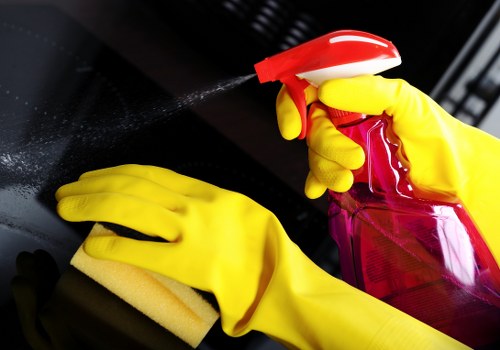 Our safety procedures are supported by suitable PPE and a structured risk assessment process. Personal protective equipment is selected according to the task, environment, and possible exposure to hazards. This may include helmets, gloves, high-visibility clothing, eye protection, or other items that help reduce the likelihood of injury. PPE is treated as an essential safeguard rather than an optional extra, and its correct use is reinforced through supervision and training. The aim is to make sure that protective measures are practical, appropriate, and consistently applied.
Risk assessments are carried out before work begins and reviewed whenever conditions change. This process identifies potential hazards, evaluates the level of risk, and establishes the steps needed to manage them. It also considers access arrangements, equipment positioning, weather influences, and interactions with other people on site. Where necessary, controls are introduced to lower the chance of harm, such as restricted access, additional supervision, or revised working methods. This methodical approach ensures that safe operations are planned rather than left to chance.
We also place importance on communication, because safety depends on more than equipment and paperwork. Clear instructions, regular briefings, and shared understanding help every team member know what is expected. When risks are discussed openly, workers can raise concerns early and contribute to safer outcomes. This collaborative approach strengthens our insurance and safety policy by linking practical precautions with responsible behaviour. It helps create a consistent standard where everyone plays a part in preventing incidents.
Risk Assessment and Oversight
 The risk assessment process is not a one-time exercise; it is part of ongoing oversight throughout the job. Supervisors monitor conditions and check whether control measures remain effective as work progresses. If new hazards appear, the assessment is updated and actions are adjusted accordingly. This flexible system allows us to respond quickly to changing circumstances while maintaining control over safety standards. In this way, public liability insurance and safety planning work together as complementary protections.
Good housekeeping also supports a safer workplace. Keeping areas tidy, storing equipment correctly, and removing unnecessary obstructions all help reduce slips, trips, and other common hazards. These simple measures are often among the most effective ways to prevent accidents. They are reinforced by training and by a strong sense of responsibility across the team. When combined with PPE and formal risk assessment, housekeeping becomes part of a broader safety culture that protects both workers and the public.
We understand that clients expect professionalism at every stage, and that includes attention to safety detail. Our systems are designed to ensure that hazards are considered early, controls are selected carefully, and staff remain properly equipped for the task. This proactive approach helps maintain high standards and demonstrates respect for everyone affected by the work. It also reinforces the importance of having adequate insurance cover in place, because prevention and protection should always go hand in hand.
Professional Standards and Responsibility
Our commitment to insurance and safety extends beyond compliance. It reflects the values that guide the way we work: planning, discipline, and accountability. Public liability insurance offers protection against unforeseen incidents, while staff training and PPE provide immediate practical safeguards. Risk assessments bring structure to decision-making and help ensure that hazards are properly managed. Together, these measures support reliable service delivery and responsible site management.
We also recognise that each project has its own demands. For that reason, our approach is never generic. Safety measures are adapted to the task, the location, and the people involved. This tailored method allows us to balance efficiency with caution, ensuring that work progresses without compromising wellbeing. By maintaining strong procedures and a consistent standard of care, we help create a secure working environment where quality and safety remain equally important.
 In every case, the objective is to minimise risk while maintaining effective operations. That means using trained staff, suitable PPE, and well-defined safety controls throughout the job. It also means keeping public liability insurance current and making sure it supports the realities of the work being undertaken. With this combination of preparation and oversight, we are able to uphold dependable insurance and safety practices that protect people, property, and reputation.
Continuous Improvement
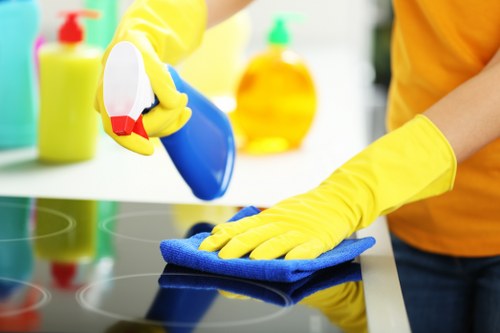 Safety is strongest when it is continuously reviewed and improved. After each project, lessons are taken into account so that procedures can be refined and future risk management can be even more effective. This ongoing commitment helps ensure that our standards remain relevant and robust. Through careful planning, regular training, and disciplined use of PPE, we continue to strengthen our insurance and safety approach across every stage of the work.
By combining public liability insurance, staff training, PPE, and a structured risk assessment process, we create a framework that supports safe, professional, and dependable operations. This integrated method helps us protect people and property while maintaining a clear focus on quality and responsibility. It is a practical expression of our wider commitment to safe working, careful preparation, and trusted service.